Interpretations of the Lascaux Cave Paintings
The Art at Lascaux. The subject matter of the cave paintings and engravings reflect the climate of the time of their painting.
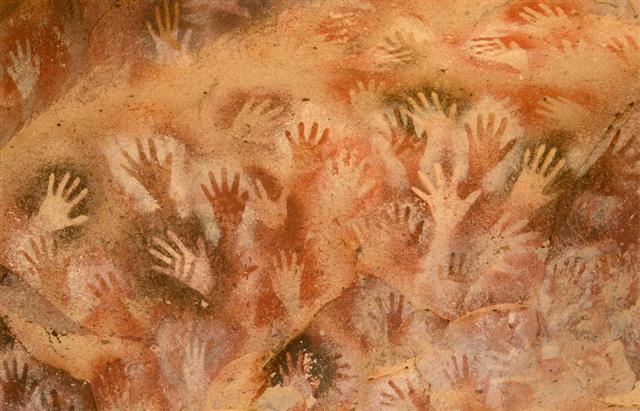
The Significance Of Lascaux Cave Paintings Back In Those Days Art Hearty
This area is about 15 feet in diameter and is completely covered with animal carvings and abstract symbols.

. Is located in the Shaft of the Dead Man. Paintings at Lascaux Cave. This 100-foot long kitchen includes numerous photographs of cats and.
Lascaux Cave Paintings c17000 BCE Lascaux Cave. Inside the cave Upper Palaeolithic occupation dated between 28000 BC and 10000 BC is evidenced by the presence of 6000 painted figuresof which animals are the main focusas well as hundreds. One of the greatest and most baffling.
Measuring about 15 feet in diameter this area is completely covered in engravings of animals and abstract symbols. One of the most narrow passages in the cave is macaron room. Leaving behind the theory of art for arts sake the common.
The largest animal ever found in cave art is a bull which is 17 ft long. The cave of Lascaux France is one of almost 350 similar sites that are known to existmost are isolated to a region of southern France and northern Spain. Lascaux is a network of caves near the village of Montignac in the department of Dordogne in southwestern France.
Estimated to be up to 20000 years old the paintings consist primarily of large animals once native to the region. Both Neanderthals named after the site in which their bones were first discoveredthe Neander Valley in Germany and Modern Humans early Homo Sapiens Sapiens coexisted in this region 30000 years ago. Most of the art of the cave is centered in this branch of it.
Diego Rivera Mural at San Francisco Art Institute to be Saved Not Sold. Near Montignac France a collection of prehistoric cave paintings are discovered. Over 600 parietal wall paintings cover the interior walls and ceilings of the cave.
Painted representations of humans are rare in Paleolithic art and Lascaux is no exception most representations are of animals but there are also some abstract symbols such as dots lines and geometric shapes. T he Lascaux cave system is a group of caves in southwestern France. Most of the cave art is concentrated in this branch of it.
Today the cave continues to feed our collective imagination and to profoundly move new generations of visitors from around the world. Some authors even go so far as to call them mysterious markers since no clear purpose has been discovered yet for their presence there. But instead of risking a spiritual interpretation the exhibition safely explicates the Lascaux paintings and the people who made them in terms of material necessity failing to recognize painting as a kind of making distinct from hunting and cooking.
There is only one human image in the. In the Lascaux cave paintings scholars have suggested that the figures may have been used to worship God or as part of ritual ceremonies because they are mostly found together. Over 600 different Hall of Bulls Lascaux paintings adorn the ceiling and walls of the cave.
The Great Hall of Bulls paintings can be found in these caves which are situated close to a village called Montignac. The Lascaux Cave is one of 25 caves from the Palaeolithic period located in the Vézère Valleypart of the Nouvelle-Aquitaine region in southwestern France. Recent theories link some of the paintings with constellations in the sky including the Pleiades and Taurus or connect them with ritual dancing which can induce trances and cause visions.
Lascaux Cave is located in southwestern France. The cave also features hundreds of signs quadrilateral shapes and dots. The 15000- to 17000-year-old animal paintings are among the finest examples of art from the Upper Paleolithic.
The Lascaux cave paintings of southwestern France have been objects of intense curiosity since their accidental discovery by four teenagers and a dog. One of the most narrow passageways in the cave is the Chamber of Felines. The Hall of the Bulls is the most famous section of the cave.
They are the combined. It comprises bulls equines and stags depictions. Paintings like those at Lascaux aim to create a sacred space that transcends utility.
A section of the Hall of the Bulls. The discovery of the monumental Lascaux cave in 1940 brought with it a new era in our knowledge of both prehistoric art and human origins. The Replica of Lascaux Grotto Paintings.
This edited article about Lascaux originally appeared in Look and Learn issue number 1010 published on 18 July 1981. Today the Lascaux Cave is completely sealed off in hopes of preserving the art. Geometric figures of equines cattle felines birds bears rhinoceros humans and stags are dominant.
By Admin August 23 2021 August 23 2021. April 28 2022. Among the 36 animal depictions the dominant figures are four black bulls or aurochs.
The discovery of the cave-paintings at Lascaux by Clive Uptton The French schoolboys who decided one day in 1940 to go for a walk among the gorse and bracken at Lascaux near the little town of. Lascaux is famous for its Palaeolithic cave paintings found in a complex of caves in the Dordogne region of southwestern France because of their exceptional quality size sophistication and antiquity. This pictograph The Shaft Scene.
We call the paintings and engravings found on walls and ceilings of caves parietal art. The paintings represent primarily large animals typical local contemporary fauna that correspond with the fossil record of the Upper Paleolithic in the area. It is a Paleolithic cave meaning that it is home to some of the earliest known prehistoric drawings by humans.
The thousands of visitors to Lascaux did not mean to harm the paintings but they did simply by breathing on them. In the center of Lascaux there is a semicircular room called bend. There was an obvious meaning to them and alongside many repeating symbols throughout the Lascaux cave they could represent a means of written communication lost in time.
At the center of Lascaux is a semi-circular room called the Apse. All together the Lascaux Cave contains almost 6000 figures animals symbols humans. One of the important strategies for understanding the meaning of the Lascaux cave paintings in France prehistoric drawings of animals on the cave wall is unavailable to us at present.
Lascaux paintings are about 2000 in all and while 600 of the animal figures can be identified the rest are a trip back into prehistoric times. This 100 feet long galley includes. Unlike older caves which contain mammoths and wooly rhinoceros the paintings in Lascaux are birds and bison and deer and aurochs and horses all from the warming Interstadial period.
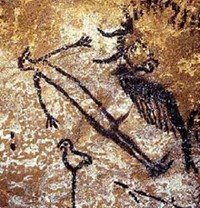
Lascaux Cave Paintings Layout Meaning Photographs

World Famous Prehistoric Paintings Of The Lascaux Cave Nov 2004 The Download Scientific Diagram
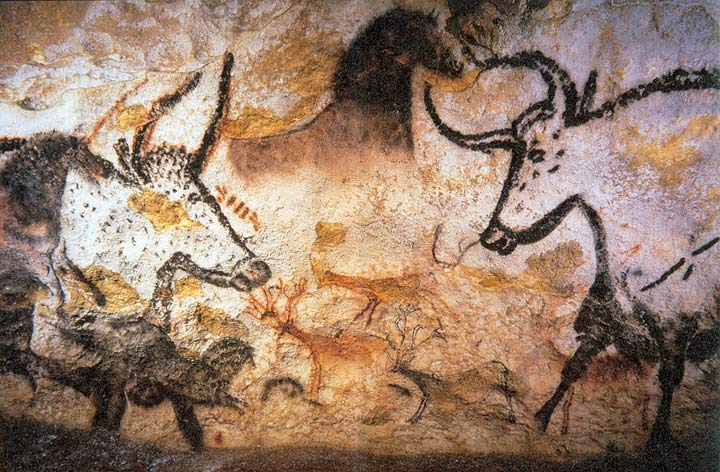
Lascaux Cave Sacred Land
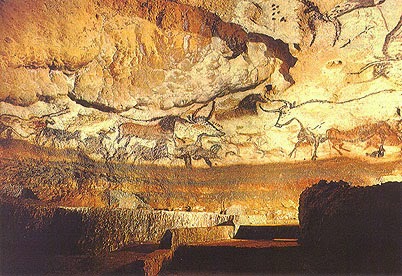
Lascaux Cave Paintings Layout Meaning Photographs
0 Response to "Interpretations of the Lascaux Cave Paintings"
Post a Comment